
Digital Interventions in Mental Health help people feel better using technology. They make it easier to manage stress and get mental health care privately.
These tools include health apps and professional services. They are helping meet the growing need for mental health support around the world.
Three things make them so useful:
First, easy access — people can get help any time without waiting in long lines or worrying about where they live.
Second, different options — tools like DBT, IPT, and VR give people different ways to get the help they need.
Third, privacy — people can get support without sharing their name. This is great for those who feel nervous about asking for help.
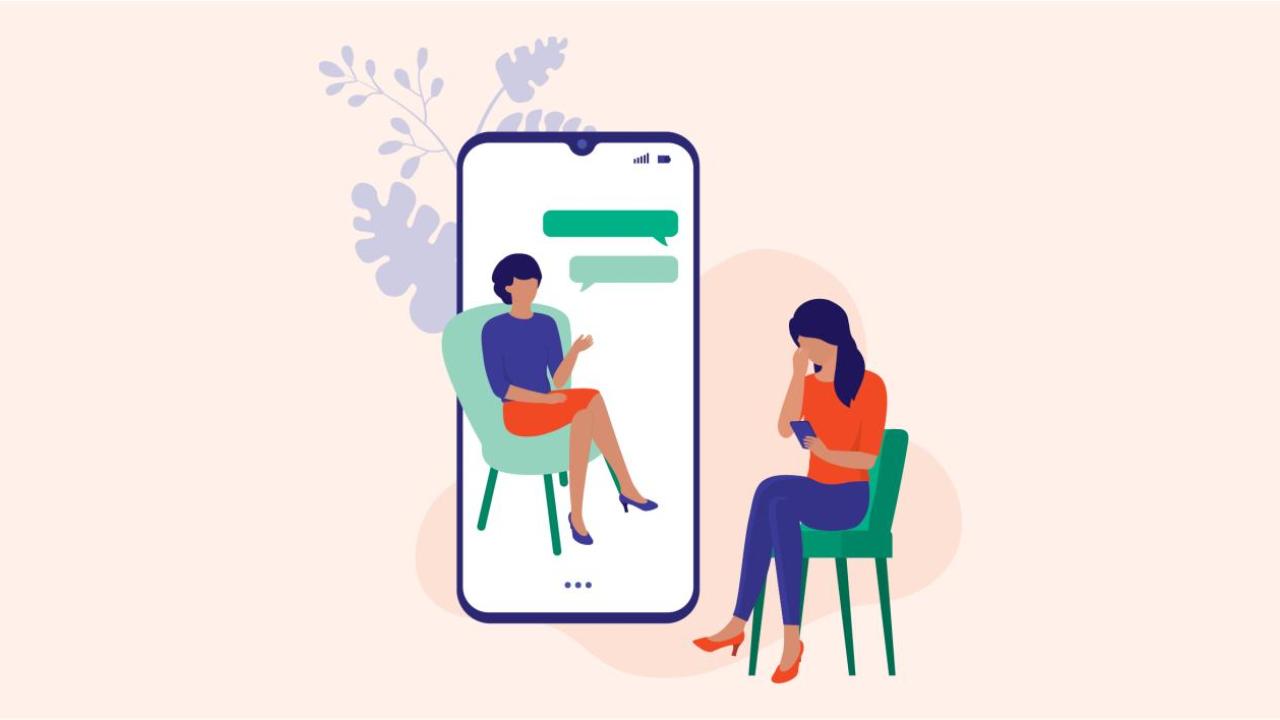
Digital Interventions In Mental Health
Technology’s Detrimental Effects On Mental Health
Anxiety and stress levels can rise as a result of receiving messages from social media and apps all the time. Depression and loneliness Feelings of inadequacy and loneliness can result from excessive usage of social media, which frequently displays carefully edited versions of reality.
Reduced attention It might be challenging to focus on tasks due to the constant barrage of information and distractions. Sleep disturbance Using screens right before bed may disrupt sleep cycles.
Techniques For Maintaining Digital Wellbeing
Here are some simple ways to manage your technology use and protect your mental health:
Set clear limits: decide how much time you spend on your devices each day. Create device-free areas in your home, like the bedroom or dinner table.
Control your notifications: turn off unnecessary alerts from apps. This reduces distractions and helps you stay focused and calm.
Take regular breaks: step away from your screen often and do something offline. This helps improve concentration and reduces anxiety.
Clean up your devices: delete apps you no longer use. Organise the ones you keep into folders and use widgets or a helpful background as a reminder of your goals.
Build real connections :make in-person relationships a priority. Choose carefully how much time you spend online and with whom.
Use technology wisely :there are many great resources available online for mental health support. Use them in a way that helps rather than harms your wellbeing.”
Use Mental Health Apps
Mental health apps help you feel better every day. They help you deal with stress and build good habits. Many also help with anxiety and depression. If you live far away or feel shy about getting help in person, these apps are for you. You can get help from your phone anytime and anywhere. Here are the top tools for mental health today:
Mental health apps: apps like Headspace help you feel calm and relaxed.
Wearable devices: gadgets that track how you feel every day.
Artificial Intelligence: smart tools that give you support when you need it.
Virtual Reality : a new and safe way to deal with anxiety.
These tools make it easy for anyone to get help. Always use trusted sources and listen to real mental health experts.
Top Mental Health Apps
Mental health apps are a great tool for managing everyday stress and anxiety. Stress is a normal part of life, but sometimes it can feel overwhelming. These apps are designed to help you cope better and feel more in control.
There are between 10,000 and 20,000 mental health and wellness apps available today. With so many choices, finding the right one can be challenging. That is why we have put together a list of the best options to make it easier for you. These apps offer a wide range of tools including:
Chatbots that provide instant mental health support and guidance Virtual Reality (VR) experiences that help manage anxiety and stress Guided meditation and mindfulness exercises Mood tracking tools to help you understand your mental health better
One of the most popular and trusted apps is Headspace. It offers guided meditation, stress management tools, and exercises to help improve your mental wellbeing. These apps are a great starting point for anyone looking to take better care of their mental health.”
Ethical Guidelines for Therapy and Behavioural Counselling
Therapists must follow basic rules when using technology to help people. These rules keep clients safe and make sure therapists do the right thing. There are five simple rules:
Get the right training — therapists must be trained before using any digital tools. Understand your tools — therapists must know how the technology they use actually works. Keep things private — client information must always be kept safe and secret. Know what you can handle — therapists should only help with things they are trained for. Ask for help when needed — if a therapist cannot help, they must find someone who can.
These rules make sure technology is always used in a safe and helpful way.
Device types
Smartwatches are multipurpose gadgets that can measure blood pressure and heart rate and provide access to guidance on oxygen levels, heart rate, fitness, and even an electrocardiogram. Fitness trackers: Monitor sleep, calories burnt, steps taken, and physical activity. Organizations use programmable medical equipment. Often prescribed by physicians, these devices provide more precise data for controlling conditions, such as blood pressure or continuous glucose monitoring.
Using Virtual Reality In Therapy
Virtual Reality Therapy VR therapy helps people feel better using technology. You put on a headset and enter a safe virtual world. This helps you face your fears without any real danger. It can help with:
Anxiety and panic PTSD Fear of heights or crowds Depression and stress Physical recovery
Every session is made for your specific needs. Your information is always kept private. VR therapy is a simple and powerful way to get mental health support from anywhere.
Tools for Monitoring Mood and Behaviour

Mood tracking tools help you understand how you feel. They help you find patterns and take better care of your mental health. You can use an app, a diary, or both. Mental Health Apps Here are some simple apps to track your mood:
- Daylio — track your mood fast with simple icons
- Moodfit — helps with stress, anxiety, and low mood
- eMoods — tracks anxiety, low mood, and bipolar symptoms
- MoodLog — uses colours to track how you feel each day
- MoodTracker — easy to download on any phone
- MindShift CBT — free app for stress and anxiety
- Worry Watch — tracks stress and panic attacks
- MoodTools — tracks anxiety and low mood on your phone
Traditional Journals A simple diary is a great way to track your feelings. Many people find writing by hand very calming. Hybrid Methods Some people use an app for quick notes and a diary for bigger thoughts. Both work great together.
Read Also: Technology Driven Business Transformation for SMEs
Technology’s Advantages For Mental Health Treatment
First, access to mental health resources and services has been dramatically increased by technology. People can access therapy, counselling, and self-help materials in the comfort of their homes through online platforms, mobile applications, and telemedicine programmed.
Counselling services would particularly benefit individuals residing in rural areas who have difficulty accessing traditional mental health care due to obstacles such as lack of funds or mobility. Technology has also made it simpler to measure and monitor mental health.
Users can log their mood, sleep habits, stress levels, and other pertinent information using wearable technology and mental health tracking apps.
Future Trends in Wellness
For more than 10 years, executives, innovators, and investors interested in the future have turned to the Future of Wellness report from the Global Wellness Summit. These detailed yearly forecasts not only track trends in the huge global wellness economy but also influence them by offering expert insights and useful business advice. Our habits will impact future years.
Trends for the Future of Wellness in 2026
The 2026 Wellness Report shows the biggest health trends of the year. It covers teen health, saunas, travel, and recovery. It also looks at water care and wellness in the Middle East.
Conclusion: Digital Interventions in Mental Health
Technology for mental health and well being provides a strong, scalable tool to improve accessibility and customize care, but its safe and effective integration requires careful balancing to reduce serious risks. A strong ethical and legal framework must govern technology and should enhance human therapeutic connections instead of replacing homo