Sustainable Solutions for a Greener Future can start today. Choose better packaging. Use materials that can be recycled or reused. This simple choice helps cut pollution and reduce waste.
Aiming for a circular economy where packaging is recycled or returned to nature, it switches from hazardous plastics to renewable materials such as paper/cardboard, plant-based plastics, or mushroom materials. Reducing carbon footprints and resource consumption benefits both businesses and the environment.
Sustainable Solutions for a Greener Future start with one basic idea. Eco-friendly means causing little or no harm to the environment. It is as simple as that. As a result, the environment is not harmed by goods, events, or eco friendly services.
Sustainable Solutions for a Greener Future
Why A Sustainable Package Is Essential Today
Because it addresses the massive plastic pollution problem, conserves natural resources, reduces carbon footprints, meets consumer demand for eco-friendly products, and helps companies comply with international regulations, sustainable packaging is essential today.
Overall, it protects ecosystems and fosters brand loyalty by demonstrating true environmental responsibility that goes beyond profit. The entire industrial landscape must strive toward an environmentally conscious world.
In keeping with our commitment to environmentally friendly packaging options, we at Mandela are raising the standard.
For example, we are striving toward a future in which packaging respects and protects the environment. Sustainable packaging is essential today because.It shifts from harmful single use plastics to renewable, recyclable materials, reducing landfill burden and pollution while saving costs through lighter shipping.
Problems Of The Contemporary Environment
Climate change (severe weather, sea level rise), biodiversity loss, widespread pollution (air, water, plastic waste), resource depletion (water scarcity, deforestation), and unsustainable consumption are the main environmental issues facing the world today.
These issues are caused by human activities such as burning fossil fuels, industrial growth, and rapid urbanisation, which affect ecosystems and human well being. The most urgent problem, which is caused by greenhouse gas (GHG) emissions from fossil fuels, is rising temperatures, extreme heatwaves, severe floods, droughts, and sea level rise.
Critical risks include water pollution, air pollution from industry and automobiles, and the vast amount of plastic garbage filling landfills and oceans. Ecosystem disruption from pollution, climate change, and habitat degradation (deforestation) accelerates species extinction.
Eco-Friendly Packaging What Is It
Packaging that is easy to recycle and composed of materials with a low impact on natural resources or energy use is considered eco-friendly. Eco-friendly packaging is typically composed of recycled materials. It is also frequently referred to as green or sustainable packaging.
Fundamentally, eco-friendly packaging seeks to minimize the amount of product packaging produced. From the actual product packaging to the containers and padding you use for distribution, you must account for the entire flow.
Eco-friendly packaging is safer for people and the environment, whether that means removing hazardous ingredients from conventional packaging or using biodegradable materials whenever feasible.
Types and Examples of Sustainable Packaging
Without a doubt, consumers and brands alike now place a high premium on ecological packaging. Thanks to numerous advancements and a laser-like focus on developing eco-friendly choices, new sustainable packaging materials are constantly emerging.
In 2022, you must embrace sustainability in all of its manifestations as a business owner. The bare minimum is no longer acceptable. Consumers who are conscious see right through it. It’s about making with impact and longevity in mind.
However, “sustainability” is not a panacea. It necessitates a higher level of commitment and a fresh perspective on the many components of your company. It’s definitely one of the most incredible places to start if your business produces goods that need packaging.
For your inspiration, we have created the ultimate guide to sustainable packaging, which includes some of our best examples.
Advances In Sustainable Packaging
A collection of cutting-edge packaging options created to lessen their adverse effects on the environment and satisfy consumer demand for eco-friendly, sustainable products. We assist clients in developing new products, services, and procedures, and we’ve recently observed a surge in interest in sustainability ideas.
Although it would be pleasing to say that this move toward social responsibility is wholly admirable, the reality is that consumers prefer environmentally friendly goods. These issues are not insurmountable. It just takes a little creativity, as this collection of ecological packaging innovations demonstrates.
These businesses are developing circular manufacturing systems, re-engineered boxes, behaviour hang programs, bioplastics and plastic substitutes, and more. Use our analogy-building tool to replicate concepts for your industry. Any type of packaging that naturally breaks down and degrades is considered biodegradable.
Read Also: Digital identity and Web3 application
Definition of Biodegradable
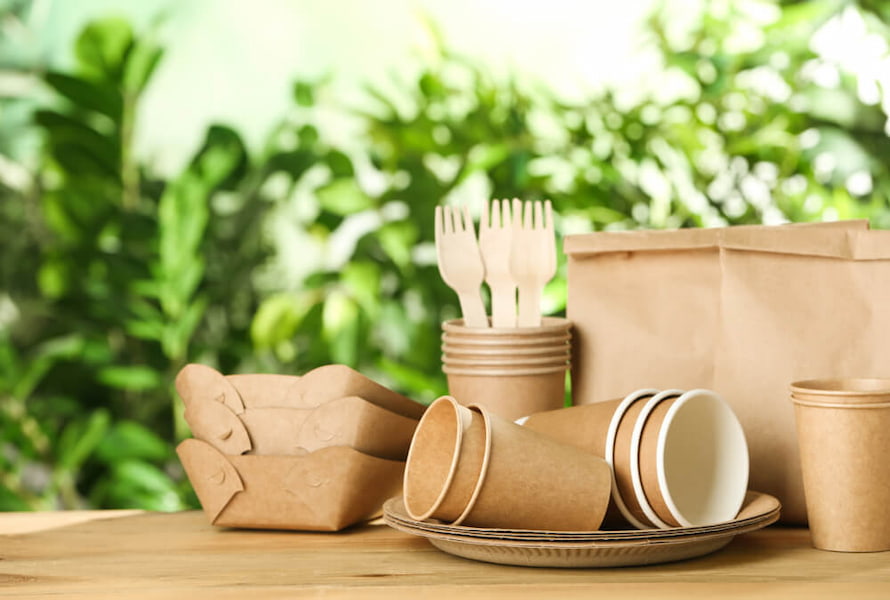
Generally speaking, the phrase “biodegradable” refers to any environmentally friendly packaging material that naturally decomposes under any conditions and in an indeterminate amount of time. The problem?
According to this concept, anything is biodegradable, even cellulose-based wrappers and timber boxes. The wood will take decades, or perhaps centuries, to biodegrade, whereas the wrapper would do so in a matter of weeks.
Even today’s sustainably stamped biodegradable packaging will still have adverse environmental effects. Therefore, how can one locate biodegradable packaging that will decompose in a secure setting within a fair timeframe, financing prospects for investments.
The process of funding investment opportunities involves investing money in various financial products and business endeavours with the intention of making a profit. From conventional securities to unconventional assets and specialized company funding, these opportunities include a range of risks, liquidity, and asset classes.
Investment funds pool capital from numerous investors to purchase a portfolio of assets with a predetermined goal and approach. Mutual funds and exchange-traded funds (ETFs) are among the most popular investment funds.
Investment funds allow investors to trade a wide variety of securities. Investment opportunities refer to the various ways individuals and businesses can allocate their money to generate returns or achieve financial growth.
Challenges New Businesses Must Overcome
In addition to sector-specific challenges such as regulatory compliance (tech, pharma), scaling effectively, establishing customer trust, cybersecurity threats, and the difficulty of product differentiation in crowded markets, startups across industries face common challenges, including obtaining funding, intense market competition, and talent acquisition.
To overcome these challenges, they need strong leadership, financial discipline, and flexibility. One of the leading causes of startup failures is inadequate financial preparation. Your business won’t be successful if your expenses exceed your income.
The Startup Challenge brings together startups and entrepreneurs to create fresh solutions for better products, services, and customer experiences. Innovative materials (seaweed, mushrooms, upcycled waste), circular systems (refill/reuse), minimalist and mono-material designs for easier recycling, and innovative tech (QR codes) for transparency are the primary focus of future sustainable packaging trends.
Consumer demand, regulations, and artificial intelligence (AI) drive these trends, transitioning from single-use to truly circular, lower-impact solutions. What are the latest developments in environmentally friendly packaging?
One of the most significant developments in sustainable packaging is the increase in demand for biodegradable materials. Biodegradable packaging materials, such as cellulose, starch blends, and plant-based polymers, decompose naturally and reduce the environmental impacts of packaging waste.
Successful Green Startup Stories
Innovative solutions in plant-based food, circular fashion, EVs, solar energy, and waste-to-value products are provided by successful green startups such as Impossible Foods, Reformation, Rivian, Sun Run, and Fool, which flourish by integrating sustainability into their core business models.
This demonstrates that eco-friendly practices, especially in sectors like food, energy, and packaging, drive profitability and strong consumer loyalty.
We’re determined to contribute to the fight against inequality, wasteful consumption, and climate change. Our three main areas of interest are Fair & Equal, Nature & Circularity, Climate, and Healthy & Sustainable Living.
Green companies use eco-friendly technology, circular business strategies, and renewable energy to promote sustainable growth. Through resource-efficient methods, they reduce emissions, draw in investment, and boost employment and competitiveness.
Policies, tax breaks, green finance, and digital technology are all necessary for scaling.
Organic and Plant-Based Packaging Materials
With options like PLA bioplastics, moulded pulp, cellulose films, and helium packaging which are perfect for food service and retail because they decompose naturally and reduce dependency on fossil fuels plant-based and organic packaging reduces environmental impact by using renewable resources like cornstarch, sugarcane (gases), bamboo, hemp, and mushrooms to create biodegradable and compostable alternatives to plastic.
Natural, plant-based materials, frequently produced from organic waste and renewable resources, are used to make organic packaging. These organic packing materials are biodegradable or spontaneously break down into non-toxic substances, which frequently improves the condition of the soil.
Conclusion
In addition to providing significant environmental benefits like decreased waste and carbon footprints, unfriendly packaging also improves brand perception and satisfies consumer demand for sustainability, all of which contribute to the creation of a more circular, accountable, and resilient future for business and the environment.
It’s a wise long-term investment that lowers expenses through efficiency and appeals to ethical customers, demonstrating that green business practices are the key to both economic and environmental success.
Sustainability is a movement rather than only a fad. Biodegradable plastics and other eco-friendly packaging materials considerably lessen their adverse effects on the environment.
These materials, in contrast to conventional packaging, naturally break down, minimizing landfill waste and avoiding polluting the ocean.